Breathwork
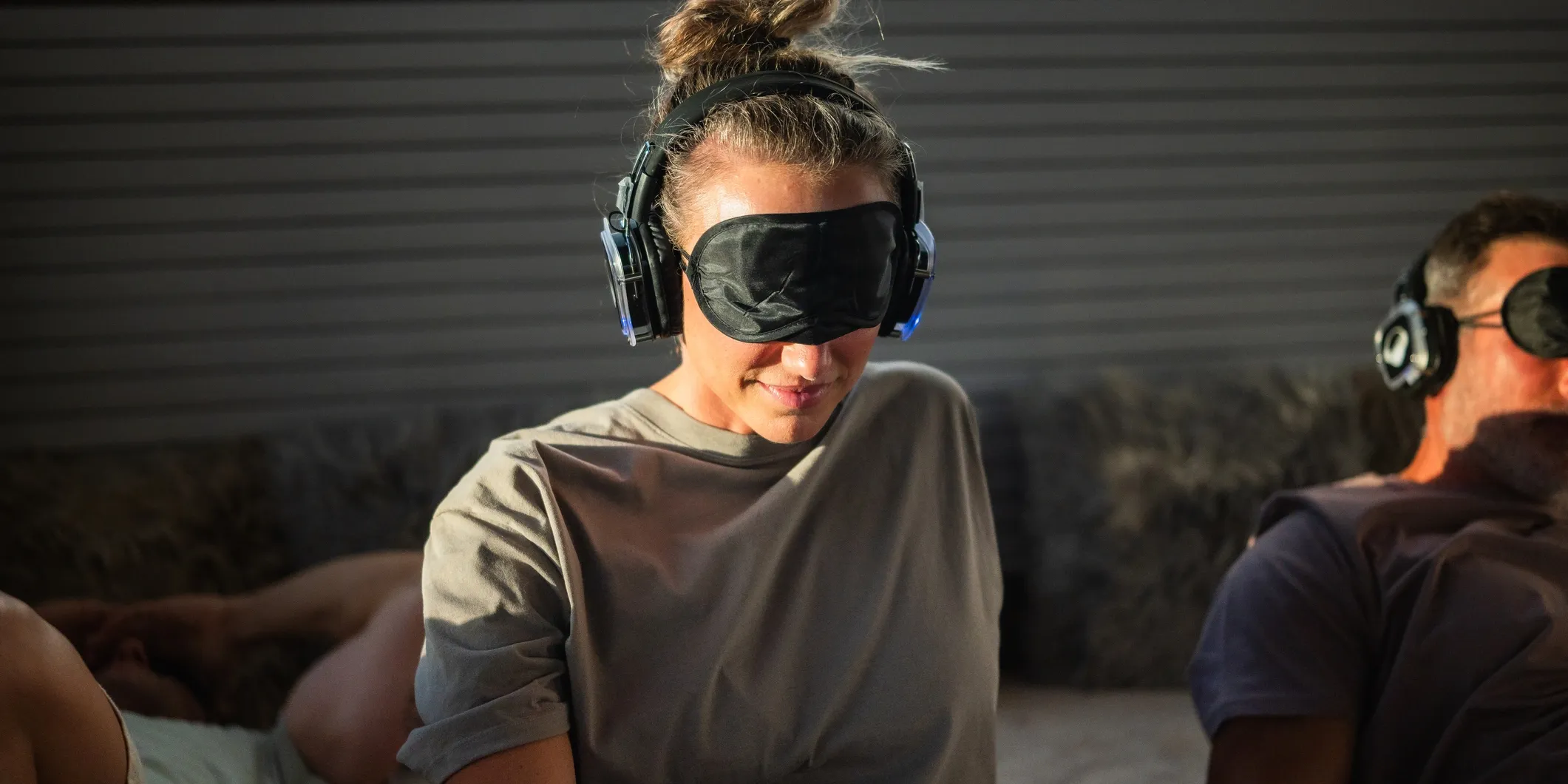
Breathwork is the intentional practice of using conscious connected breathing to influence your physical, emotional, and energetic state. By shifting the rhythm and depth of your breath, you activate your body's natural capacity to regulate the nervous system, release stored emotion, and access the deeper layers of the subconscious mind.
Unlike talk therapy or bodywork alone, breath becomes the direct gateway by moving energy, unlocking what words cannot reach, and creating space for profound transformation. Each session is guided by a trained facilitator who holds a sacred container, ensuring you feel safe, supported, and fully held throughout the journey. This is a space where you are invited to go deeper, release what no longer serves you, and reconnect with your truest self.
How breathwork can help
- Nervous system regulation. Extended-exhale breathing shifts the body out of fight-or-flight and into rest-and-digest, a well-documented parasympathetic effect, and where most real recovery starts.
- Body awareness. Breathwork brings your attention back to physical sensation, so patterns you've been carrying without noticing finally have room to surface.
- Emotional release. Many people cry, shake, or feel something loosen mid-session. That's welcome here, not a sign anything is wrong.
- A quieter mind. In the activating phase, the thinking mind steps back, leaving more room to notice what's underneath the noise.
- Lasting clarity. People often leave lighter and steadier, having moved something they didn't know was stuck.
How a session works
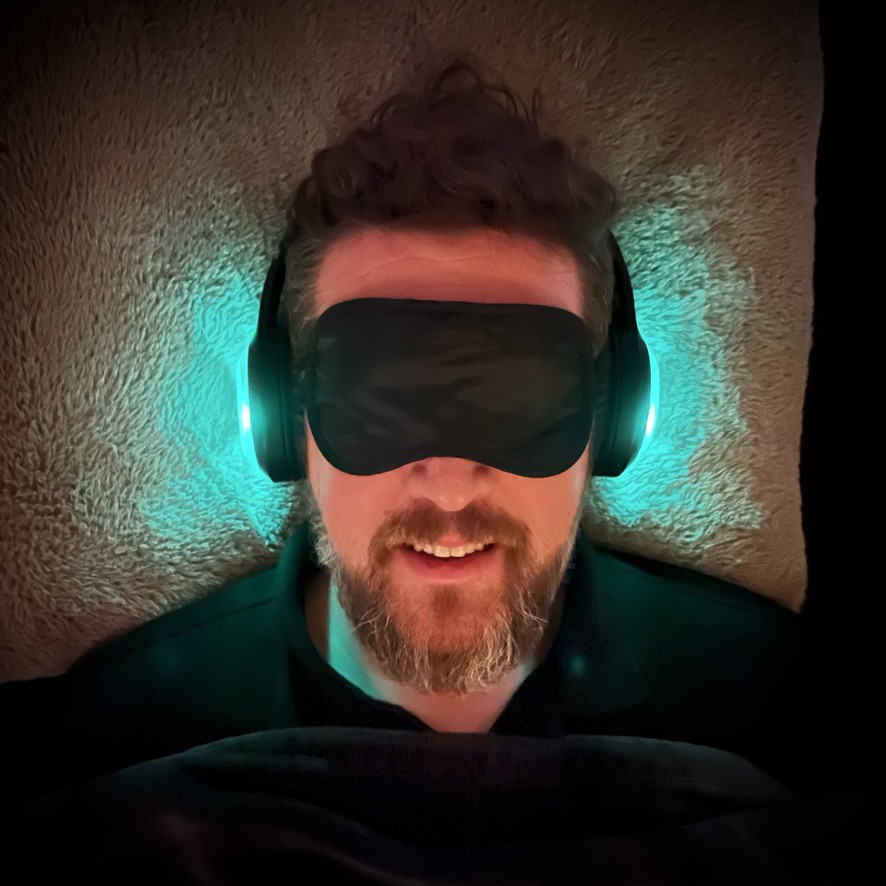
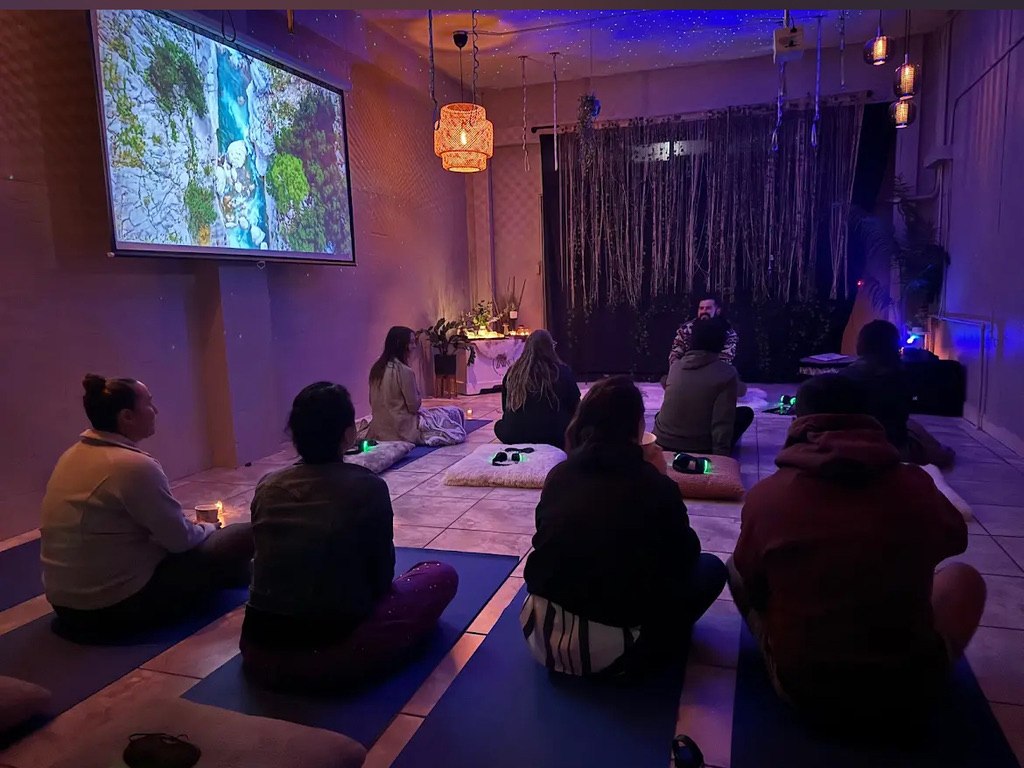
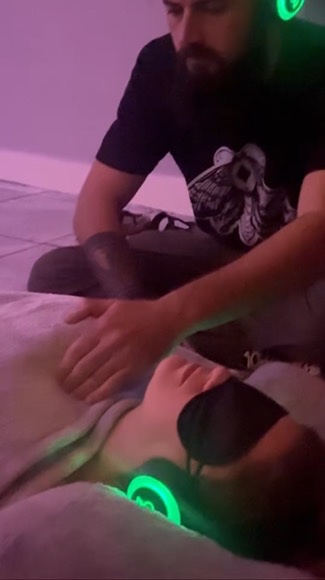
Breathers lie down in a safe, held container while the facilitator guides the breath, using a combination of conscious connected breathing, breathing in a continuous circular pattern with no pause between the inhale and exhale, along with sound, guided visualization, and light bodywork depending on what the moment calls for.
This is trauma-informed work. Breathers are invited to connect with whatever the body is holding onto, at whatever pace feels safe. Nothing here is forced.
Sessions start by settling the nervous system. Extended exhale breathing shifts the body out of fight or flight and into rest and digest, since most people walk in already overstimulated. Some sessions stay here the whole time, a good fit for beginners, people with overactive nervous systems, or anyone managing a medicated mental health condition.
Others move from there into faster, activating breathwork, similar to holotropic style. This can bring on a non-ordinary state where the thinking mind steps back and the subconscious and unconscious get room to surface. People leave lighter, clearer, sometimes having cried or shaken something loose they didn't know was stuck.
None of this means something in you is broken. Your brain builds itself out of everything you've lived through, wiring in patterns the same way it wires in language or how to walk. What surfaces in a session isn't damage being uncovered. It's a pattern that was built a long time ago, finally getting light and space to move. Patterns that got built can also get rebuilt.
Journeys take two forms. Some are guided, built around a specific theme moving through arrival, breath activation, a peak journey, integration, and anchoring. Others are open platform, with no set theme, giving whatever needs to surface the space to move.